
Best Foods for Acidity Relief: What to Eat and Avoid

Acidity or acid reflux affects many people, causing discomfort like heartburn, indigestion, and a sour taste in the mouth. What you eat plays a major role in managing these symptoms. Choosing the best foods for acidity relief can help soothe your stomach and reduce flare-ups. At the same time, avoiding certain foods can prevent irritation and keep your digestive system calm.
This post explores which foods help ease acidity and which ones to steer clear of. It offers practical advice to make your meals friendlier to your stomach, so you can enjoy eating without worry.
Foods That Help Reduce Acidity
Some foods naturally neutralize stomach acid or protect the lining of the stomach and esophagus. Including these in your diet can provide relief from acidity symptoms.
1. Oatmeal and Whole Grains
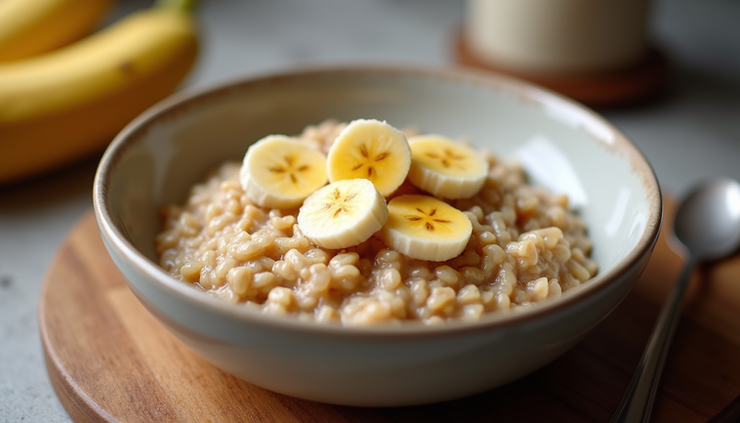
Oatmeal is a great choice because it absorbs acid in the stomach and reduces symptoms. Whole grains like brown rice, quinoa, and whole wheat bread also help by providing fiber, which promotes digestion and prevents acid buildup.
2. Non-Citrus Fruits
Fruits such as bananas, melons, apples, and pears are less likely to trigger acid reflux. Bananas, in particular, have natural antacid properties that can soothe the stomach lining.
3. Vegetables
Most vegetables are low in fat and sugar, making them ideal for acidity relief. Green beans, broccoli, asparagus, cauliflower, and leafy greens like spinach and kale help reduce stomach acid. Avoid tomatoes and onions if they worsen your symptoms.
4. Ginger
Ginger has natural anti-inflammatory properties and can reduce nausea and acid reflux. You can add fresh ginger to teas, smoothies, or meals.
5. Lean Proteins
Choose lean meats like chicken, turkey, and fish. These are less likely to cause acid reflux compared to fatty cuts. Plant-based proteins such as lentils, chickpeas, and tofu are also good options.
6. Healthy Fats
Sources of healthy fats like avocados, walnuts, flaxseeds, and olive oil can help reduce inflammation and support digestion. Use these fats in moderation.
Foods to Avoid for Acidity Relief
Certain foods increase stomach acid or relax the lower esophageal sphincter, allowing acid to escape into the esophagus. Avoiding these can reduce acidity symptoms.
1. Citrus Fruits and Juices
Oranges, lemons, limes, and grapefruits are highly acidic and can worsen heartburn. Citrus juices like orange juice or lemonade should also be avoided.
2. Spicy Foods
Spices such as chili powder, black pepper, and hot sauces can irritate the stomach lining and increase acid production.
3. Fried and Fatty Foods
High-fat foods slow digestion and increase acid reflux risk. Avoid fried foods, fatty cuts of meat, full-fat dairy products, and creamy sauces.
4. Chocolate
Chocolate contains caffeine and other stimulants that can relax the lower esophageal sphincter, leading to acid reflux.
5. Caffeinated and Carbonated Drinks
Coffee, tea, soda, and energy drinks can increase stomach acid and cause bloating, making reflux worse.
6. Alcohol
Alcohol relaxes the muscle that keeps acid in the stomach and can irritate the digestive tract.

Tips for Managing Acidity Through Diet
Eat smaller meals more frequently instead of large heavy meals. This reduces pressure on the stomach.
Avoid eating right before bedtime. Give yourself 2-3 hours to digest before lying down.
Drink water throughout the day but avoid large amounts during meals to prevent stomach distension.
Keep a food diary to track which foods trigger your symptoms.
Incorporate herbal teas like chamomile or licorice root, which may soothe the digestive system.
Maintain a healthy weight, as excess weight increases pressure on the stomach and worsens acid reflux.
Summary
Choosing the best foods for acidity relief means focusing on gentle, low-acid, and fiber-rich options like oatmeal, non-citrus fruits, vegetables, lean proteins, and healthy fats. Avoiding acidic, spicy, fried, and caffeinated foods can prevent flare-ups and discomfort. Small, frequent meals and mindful eating habits also support better digestion.
By making these changes, you can reduce acidity symptoms and enjoy meals without pain. If symptoms persist or worsen, consult a healthcare professional for personalized advice.


Comments